wGrow Labs/Lab record / LAB-01
WaterDoctor: Science, engineered for the market
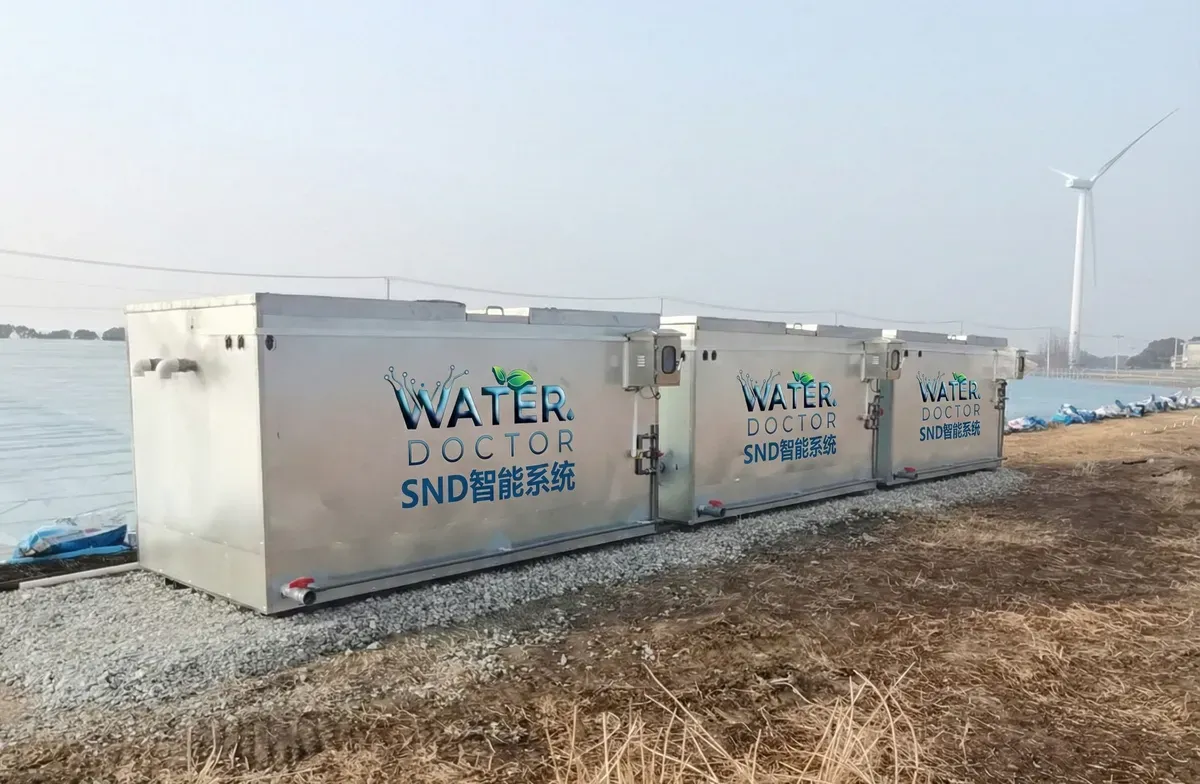
LAB-01
WaterDoctor

- Sector
- Water & aquaculture · NUS postdoctoral spinout · SG
- Status
- Pre-A closed; Series A open
- Protocol
How a case moves through AquaMind
Fig. 01Drawn from the published description of the venture. Orange steps are gates where a check or a person must pass the work.
What we built
- AquaMind, an agentic expert team that sends each case to specialist agents for water quality, microbiology, disease and nutrition
- Agents test their reasoning against published evidence
- Alongside AquaMind, the WaterDoctor crew: four agents (ingestor, controller, reporter, eval) running the adaptive treatment loops
- A weekly release cadence, live since 2024
Controls · the human gate
- High-stakes calls escalate for human expert sign-off
- Engineers set the safety floor and ceiling; the controller acts only inside them
- Any change of more than 15% from the rolling baseline needs human approval
- Two senior wGrow engineers sign every report that goes to a regulator
The problem
Biofilm water treatment is continuous and noisy. Sensor readings drift, the biology adapts and the weather changes the load. A fixed control schedule over-aerates when it should rest and reacts to symptoms while the microbial community shifts underneath. WaterDoctor needed a controller that learns the local process, and a way to show a regulator that the controller behaves.
Pilot outcomes vs prior baseline
Fig. 02Outcomes reported by WaterDoctor across pilot tanks, compared with the prior baseline.
Source: waterdoctor.com.sg
Crew shape in production
Fig. 03Source: Stack: sensors → claude-code → MS SQL · PDPA · aligned with IMDA's agentic AI framework · weekly release · live since 2024
Facts on this page are as published on wgventure.com and wgrow.com. Back to the full Lab record.
Begin the conversation
What important problem can you see more clearly than others?
You don't need a polished pitch deck. Send a short, non-confidential introduction: the problem, your connection to it, what exists today and what you want to build.
- 01
Tell us the opportunity
The problem, who pays to solve it, and where you need help.
- 02
We review the fit
Founder, problem, potential business, and where the lab can contribute meaningfully.
- 03
A private conversation
If there may be a fit, we discuss expectations and a possible build plan.
Contacting us does not constitute an offer or commitment to invest. Please do not send trade secrets, unpublished IP, credentials or confidential technical information at this stage.